About
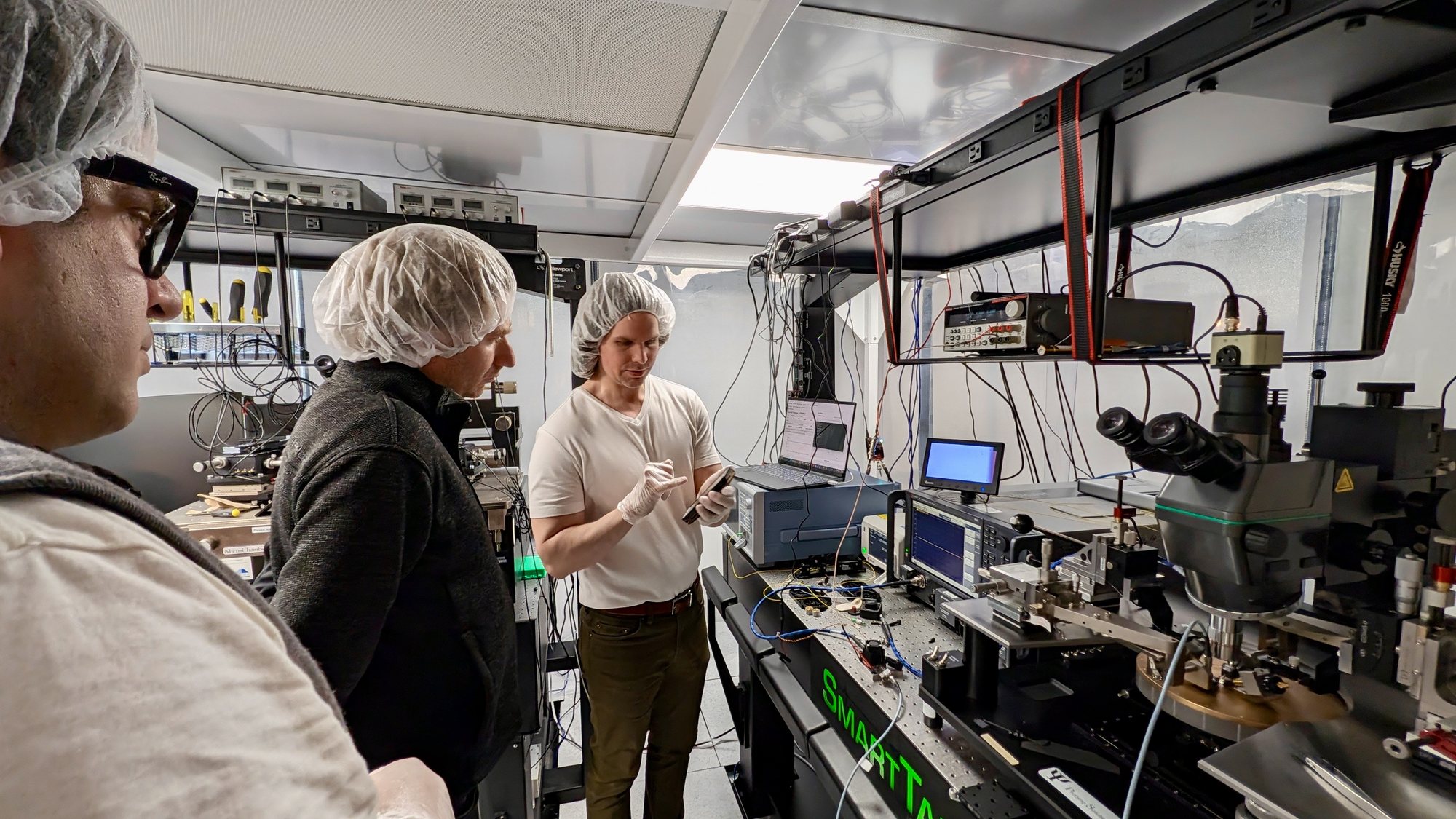
I'm Ali Khalatpour, co-founder and CEO of Piris Labs. We build optical interconnects for AI infrastructure: the photonic chips, the optical links, and the software that runs on them.
Optical Interconnect is where I write about that work in plain terms: how data moves as light, why copper runs out inside AI clusters, and what it takes to build the replacement.
What I do now
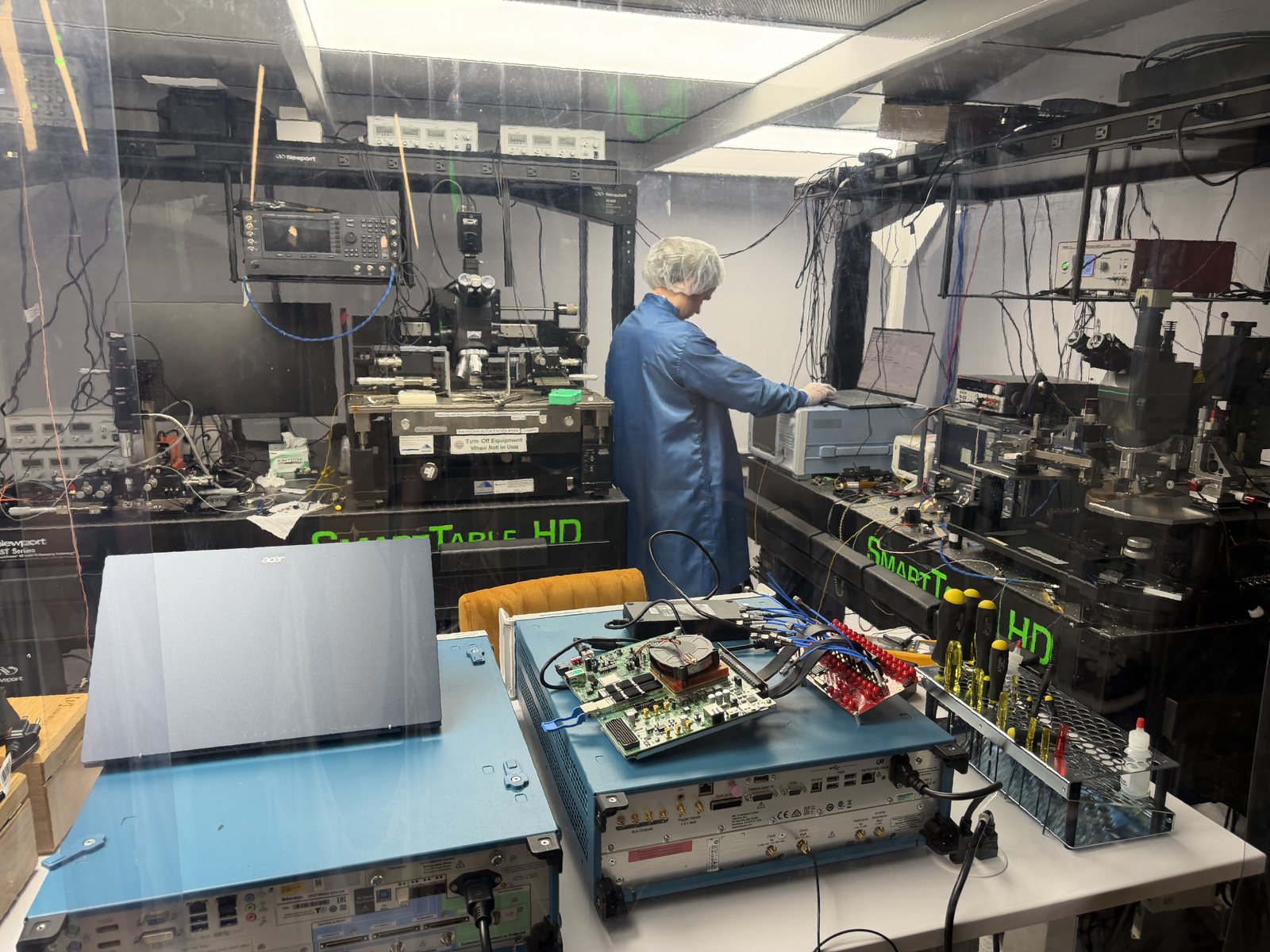
Piris Labs is based in San Francisco and backed by Y Combinator. We design and fabricate our own photonic devices, test them in our own lab, and judge them inside a full system instead of one component at a time. The goal is one optical fabric that connects compute and memory with less power, lower latency and lower cost than today's mix of copper and pluggable optics.
How I got here
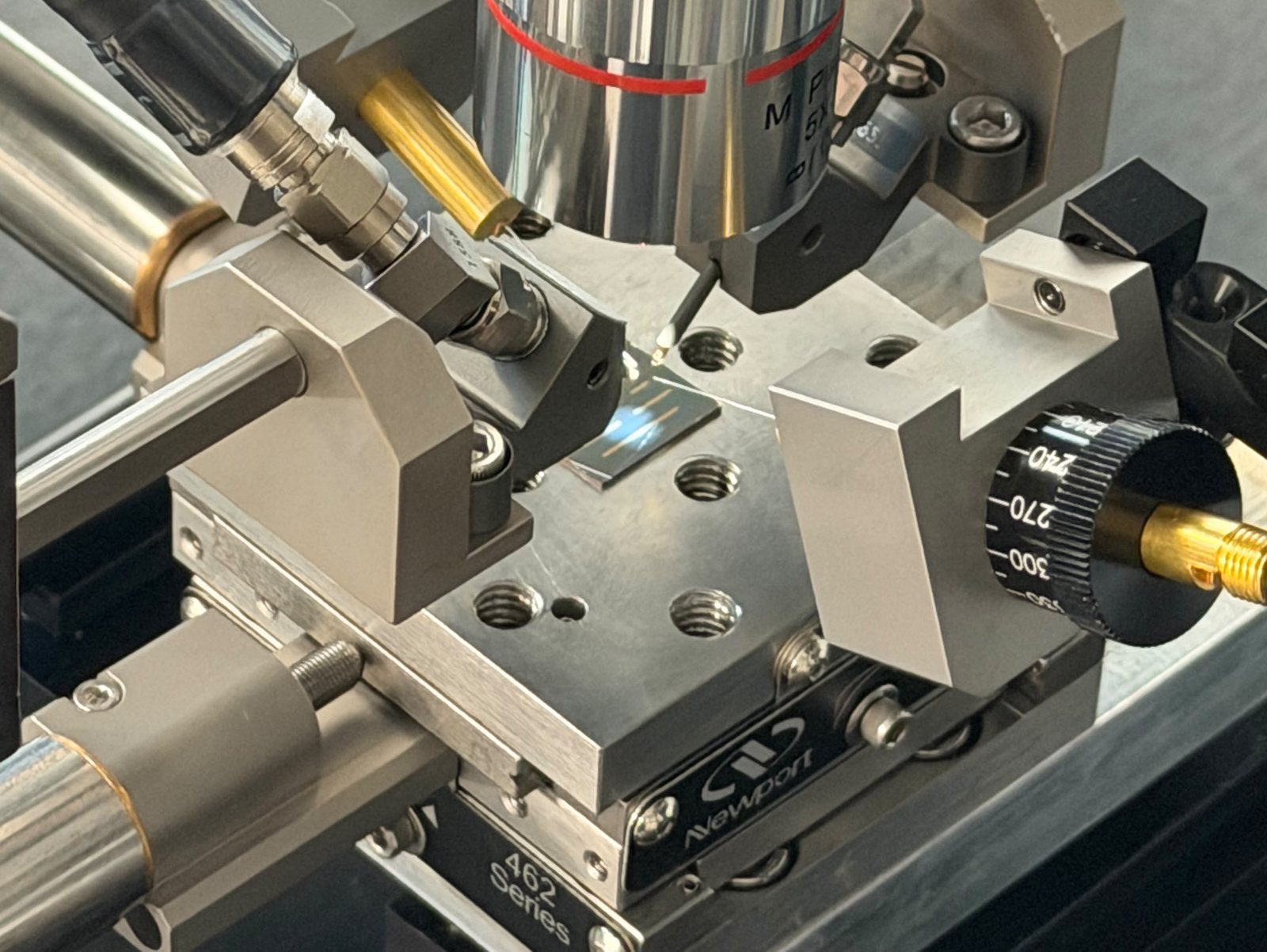
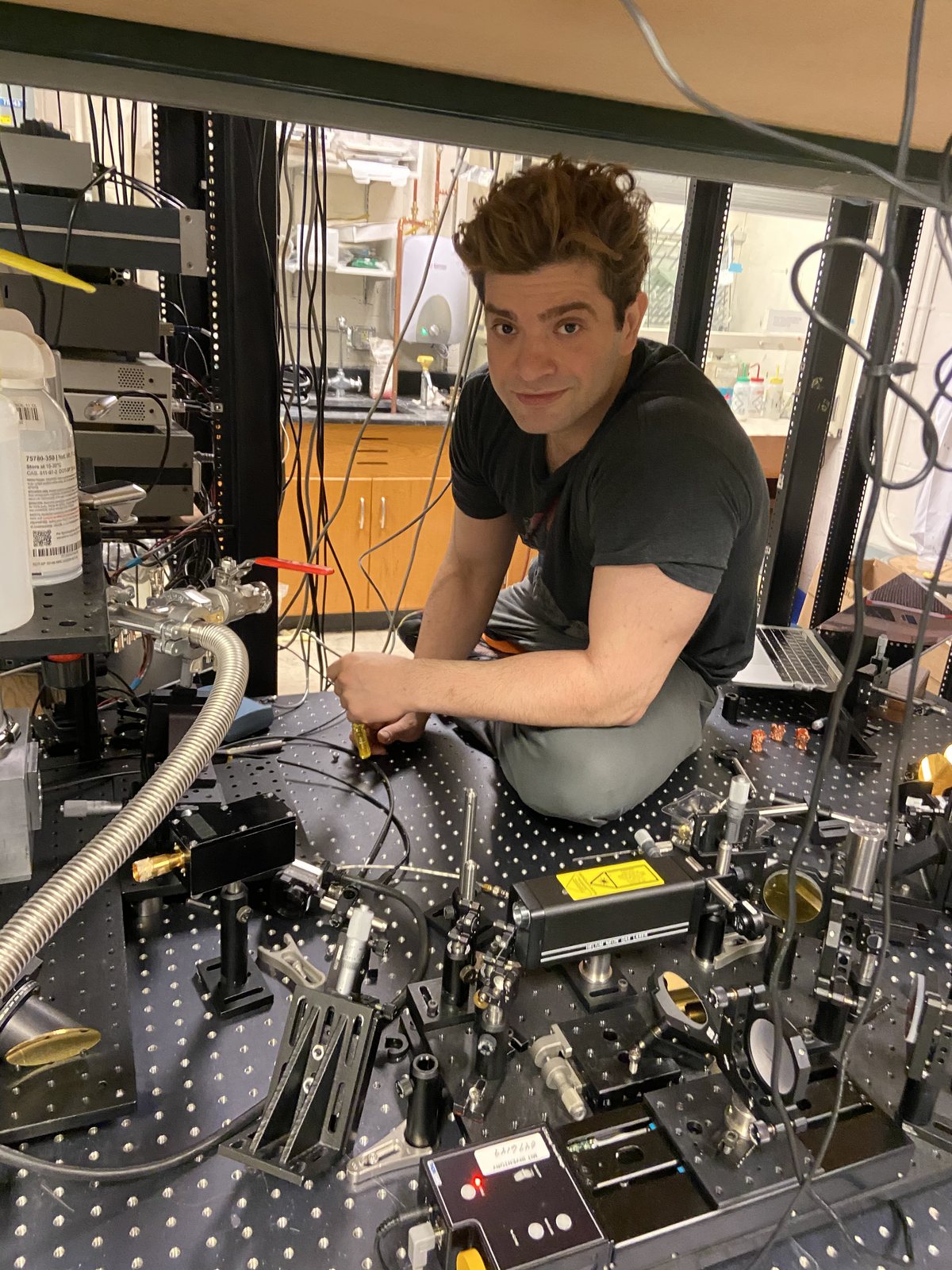
An optical interconnect needs three things: RF electronics to carry the signal, a laser to make the light, and an electro-optic material to put the signal onto the light. I have worked on each one: RF in Canada, lasers at MIT, and electro-optic materials at Harvard and Stanford. Piris Labs is where they come together.
RF in Canada, before RF was cool
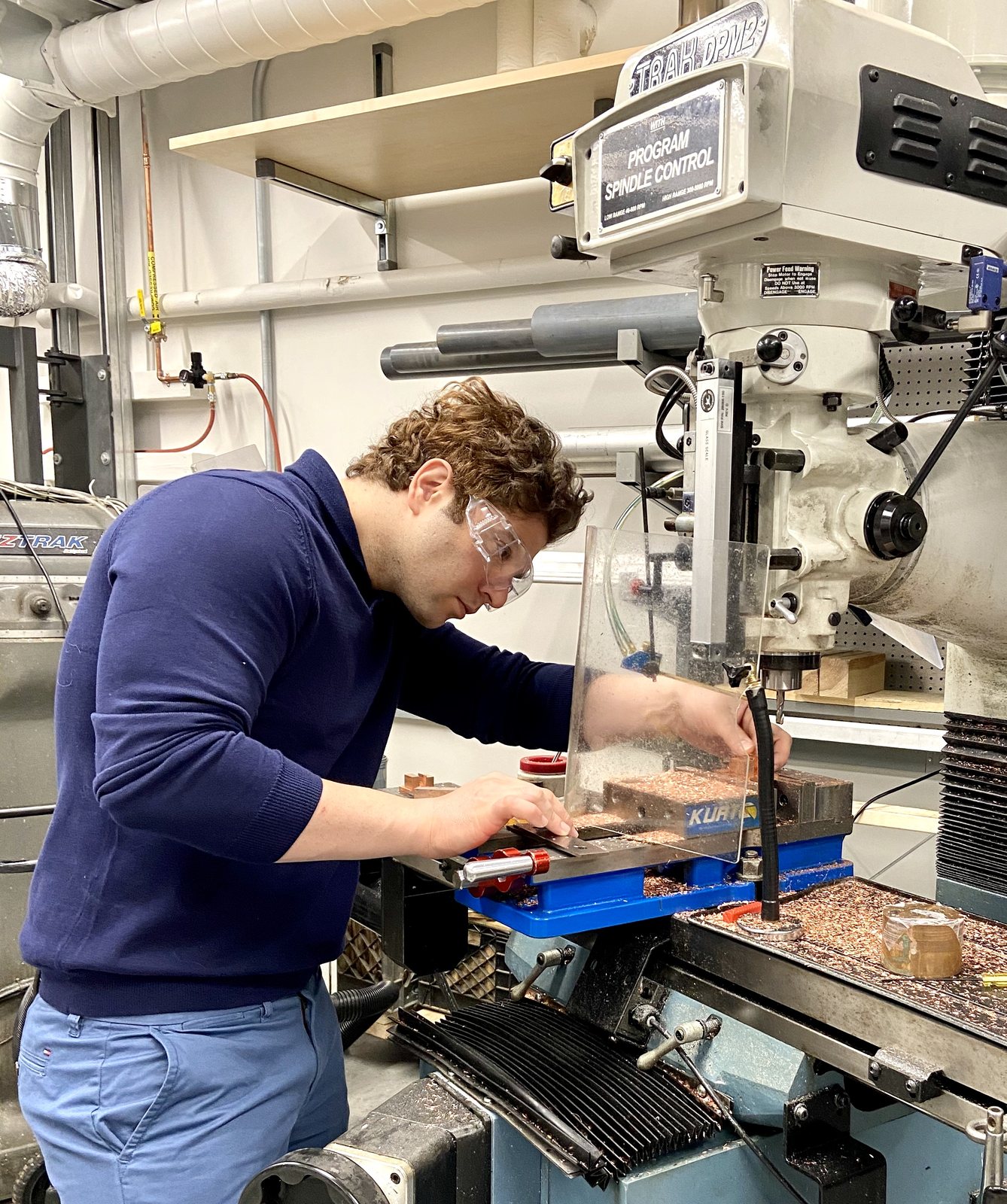
I started as an RF and microwave engineer in Canada: antenna design, inverse design of microwave filters, and microwave imaging at McMaster University, followed by physics at the University of Toronto. Today RF is an essential part of interconnect technology, because every fast optical link starts and ends as a microwave signal.
Terahertz lasers at MIT
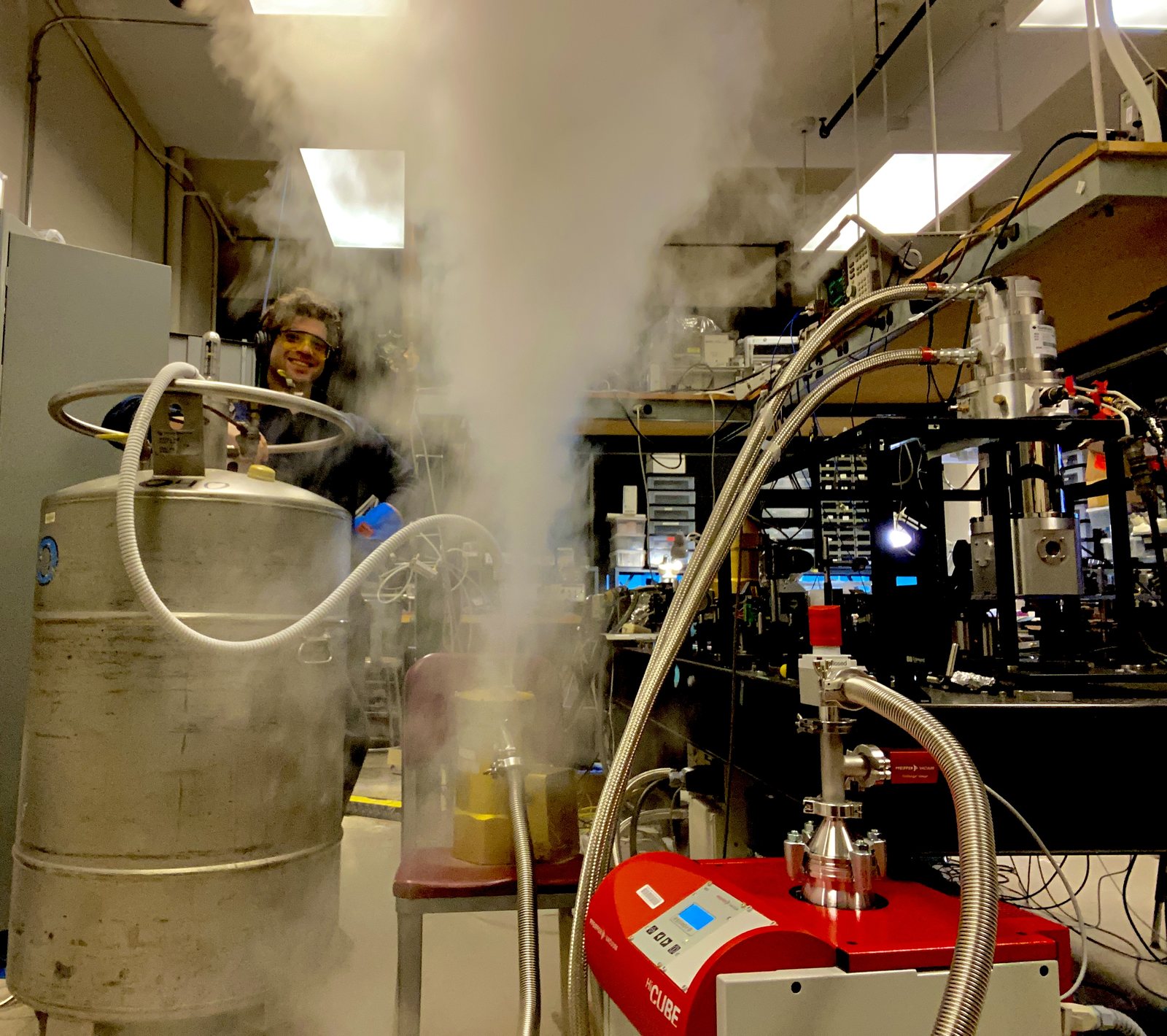
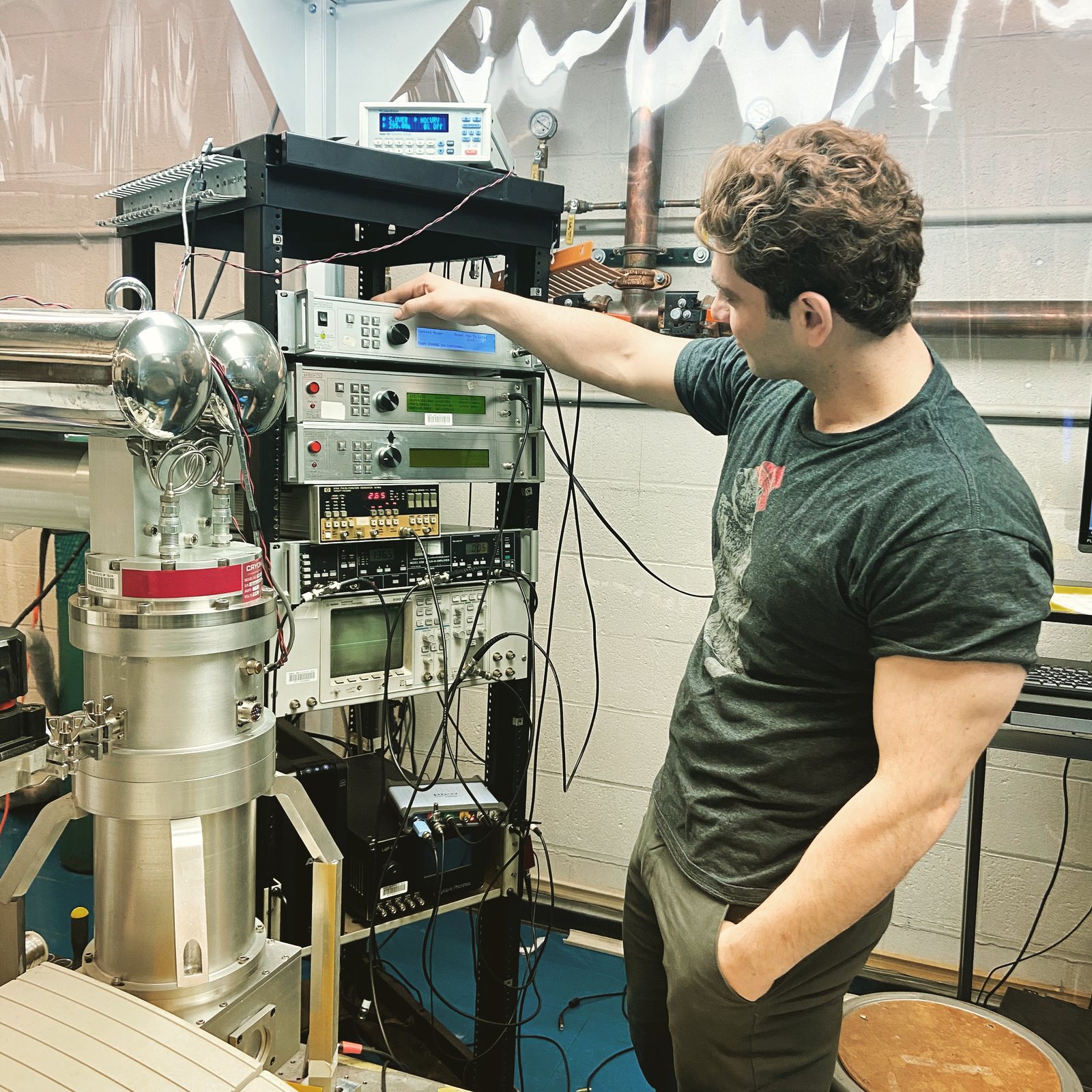
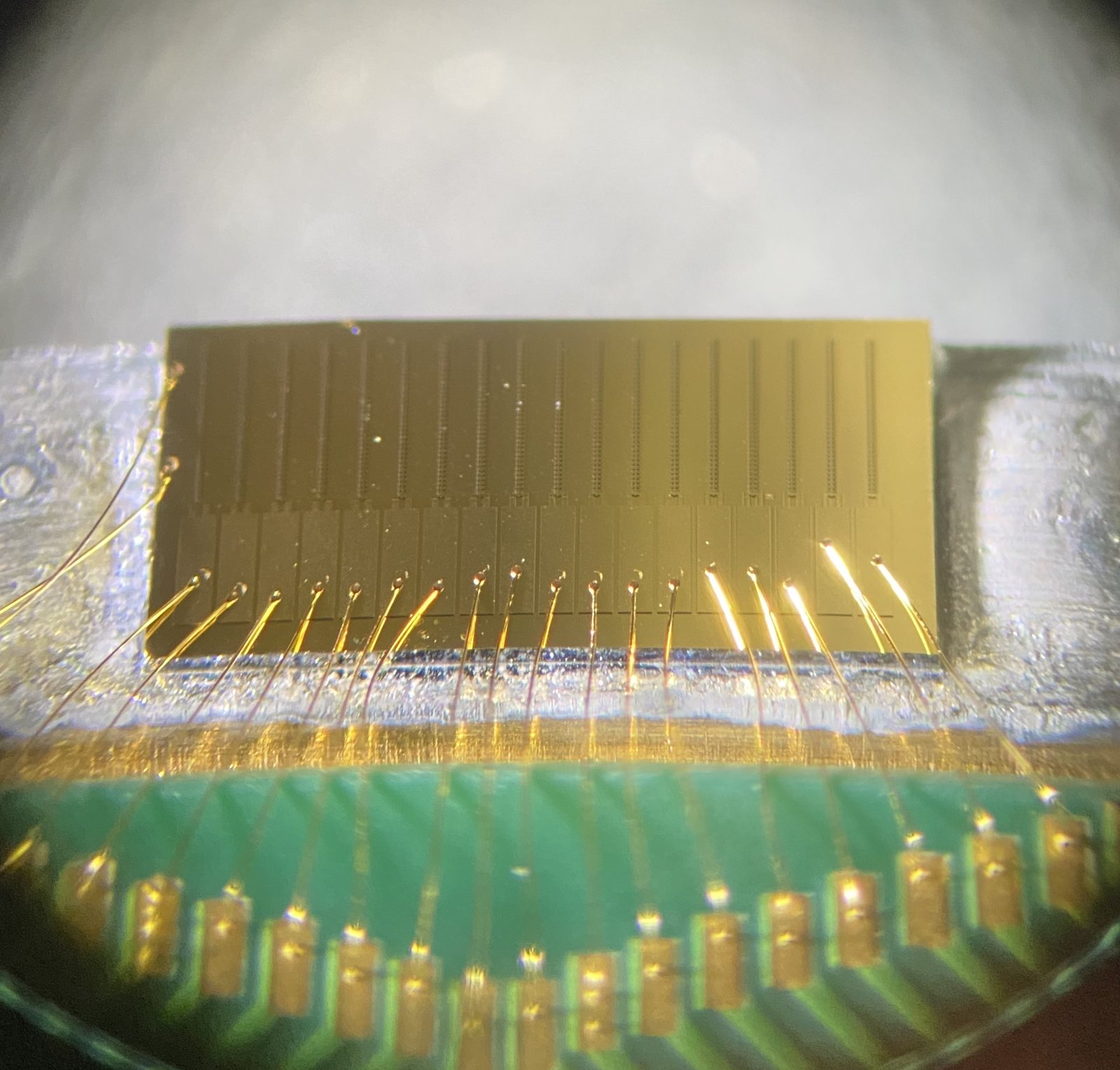
I did my PhD (2020) in Qing Hu's group on terahertz quantum cascade lasers. For years their maximum operating temperature had been stuck near 210 K. We raised it to 250 K, warm enough for a compact thermoelectric cooler, and built the first high-power portable terahertz laser system. Later work reached 261 K.
A laser for NASA
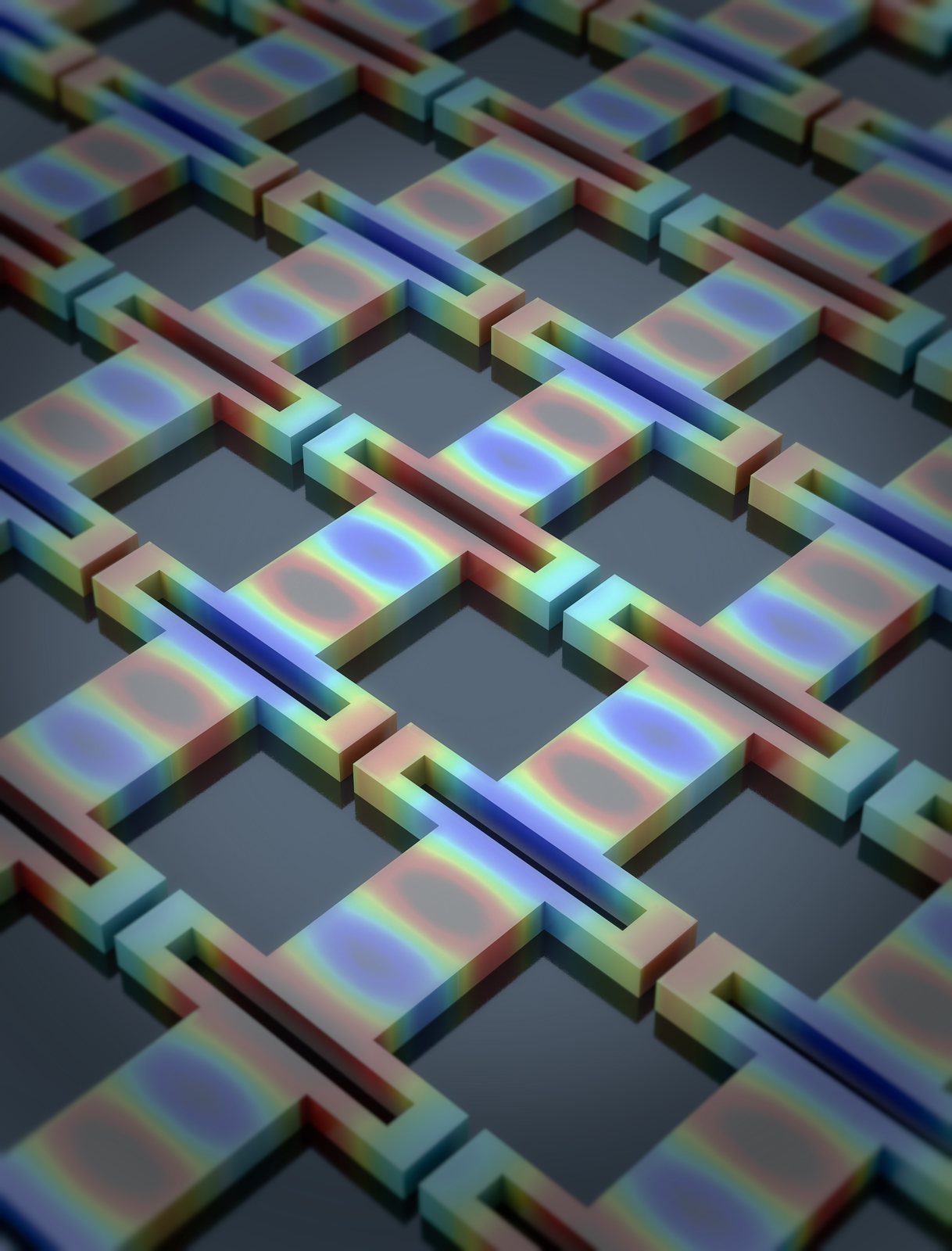
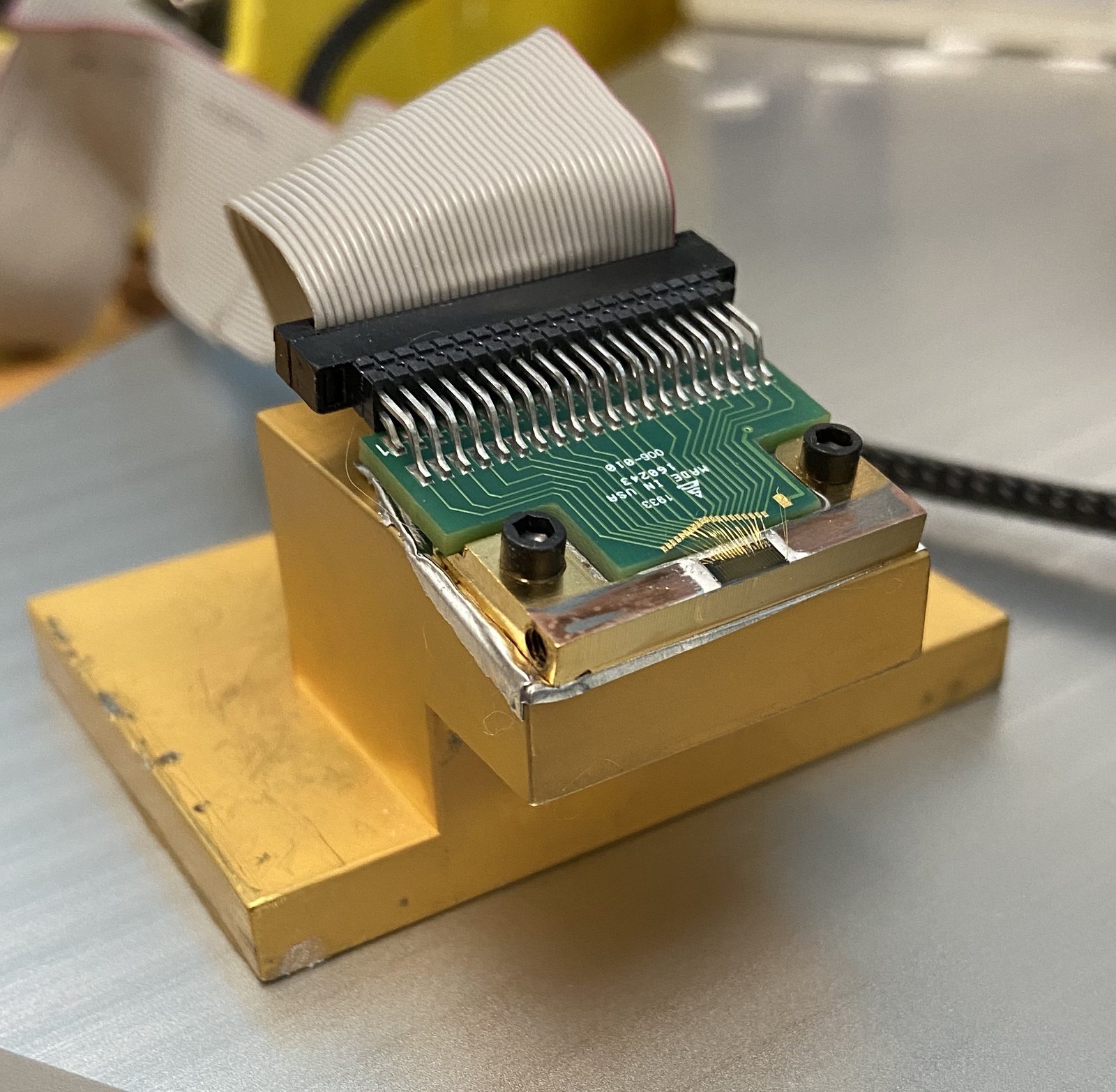
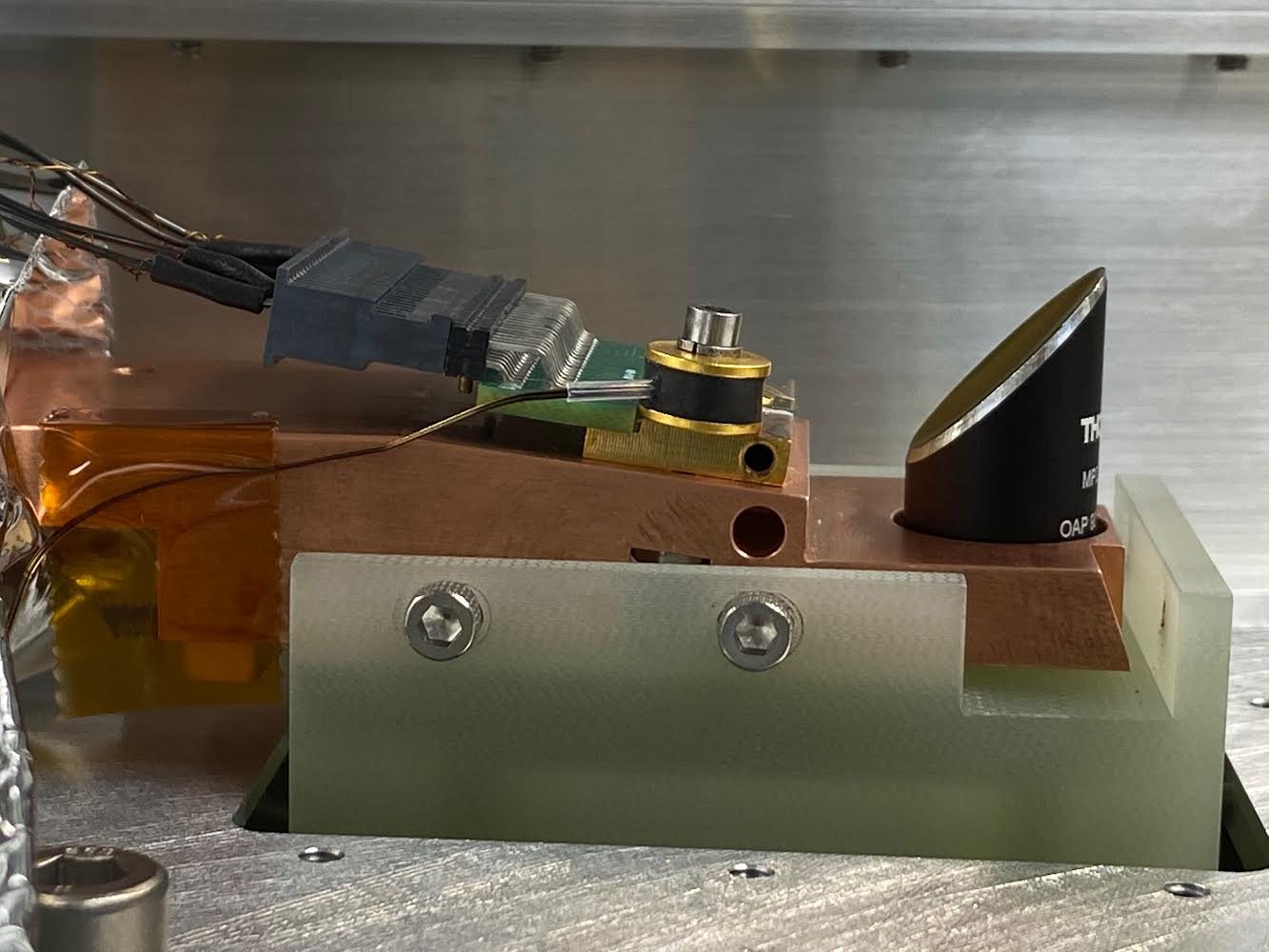
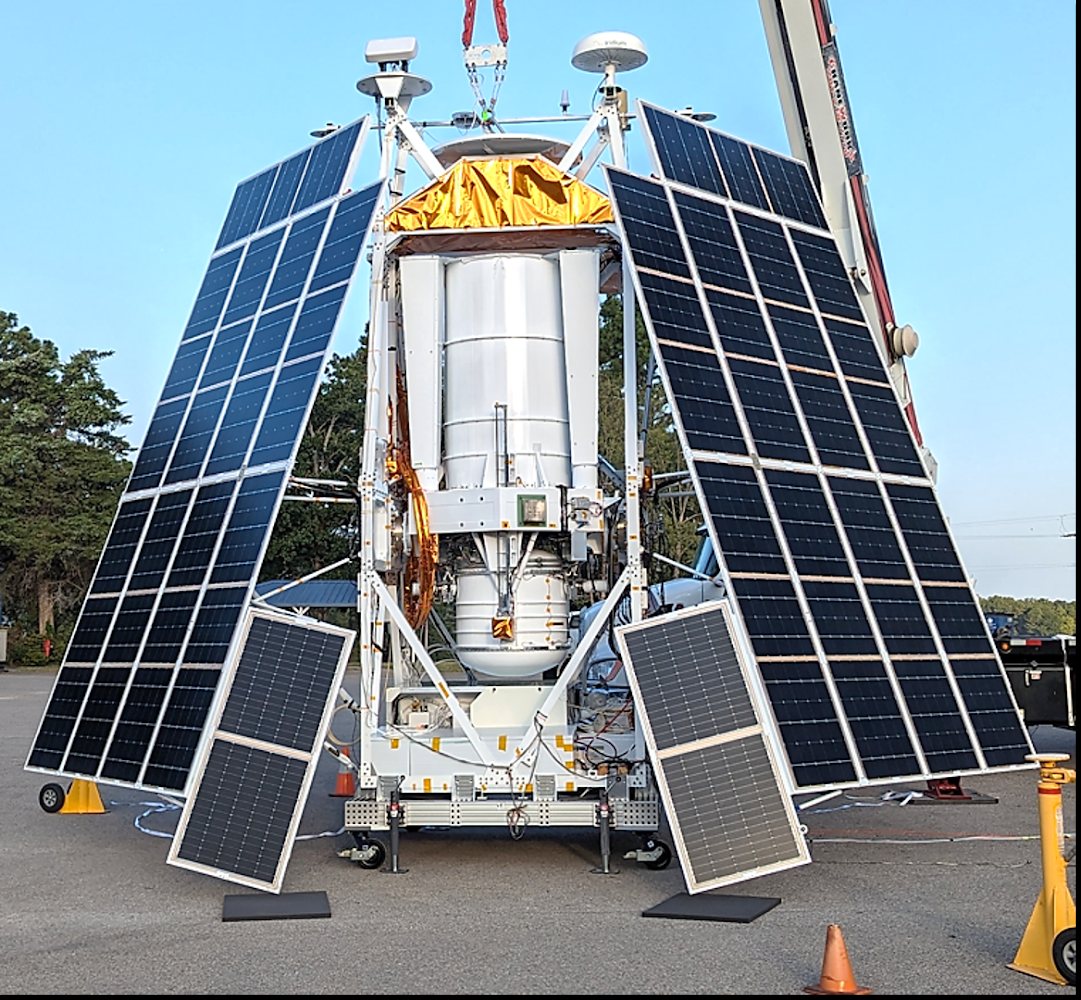
I led development of the 4.7 THz laser that serves as the local oscillator on GUSTO, a NASA balloon observatory that maps the gas between stars in the Milky Way and the Large Magellanic Cloud. The design grew out of my work on unidirectional photonic wire lasers, which send most of their light in one direction instead of losing half of it out the back.
Electro-optic materials at Harvard and Stanford
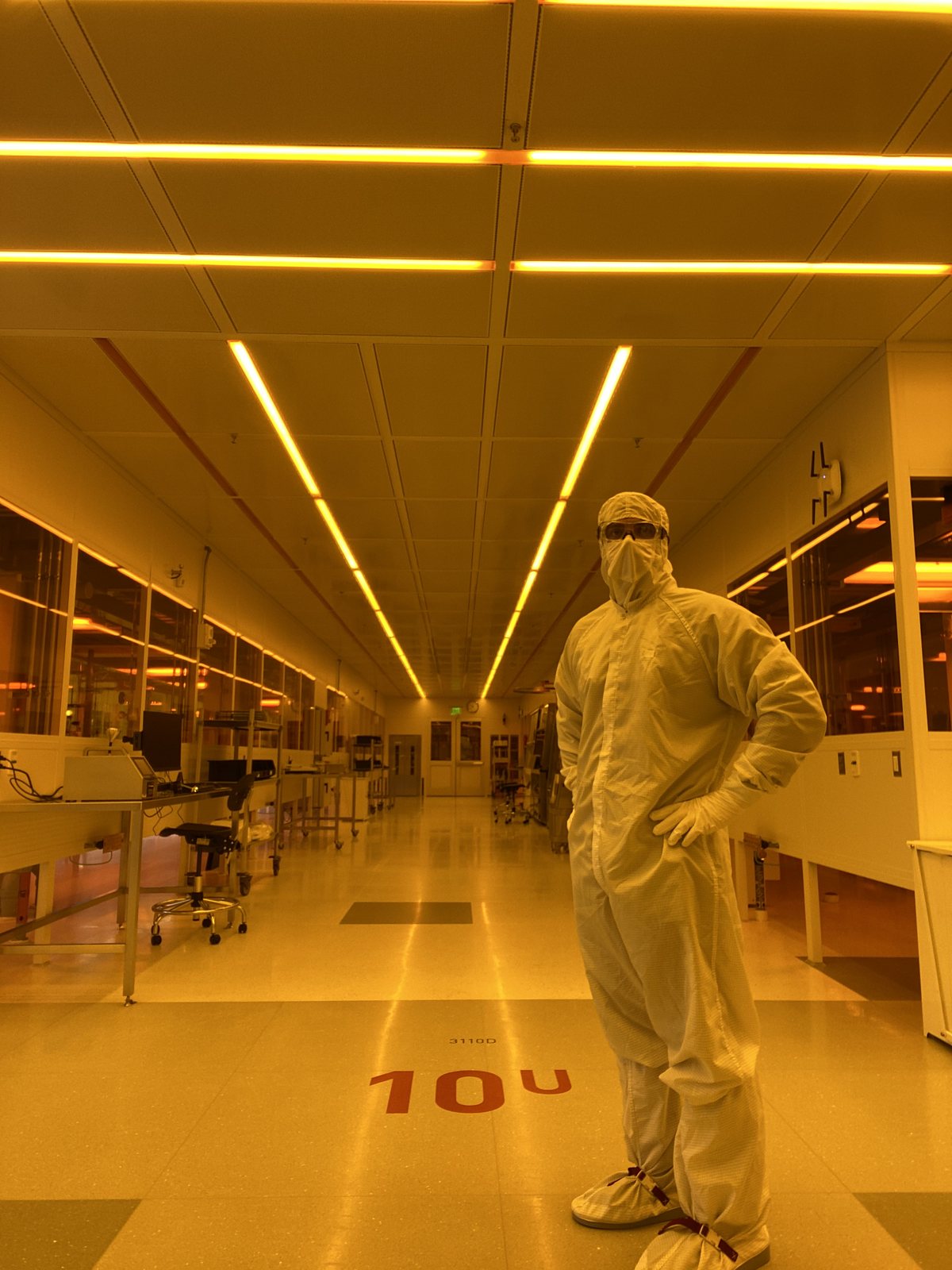
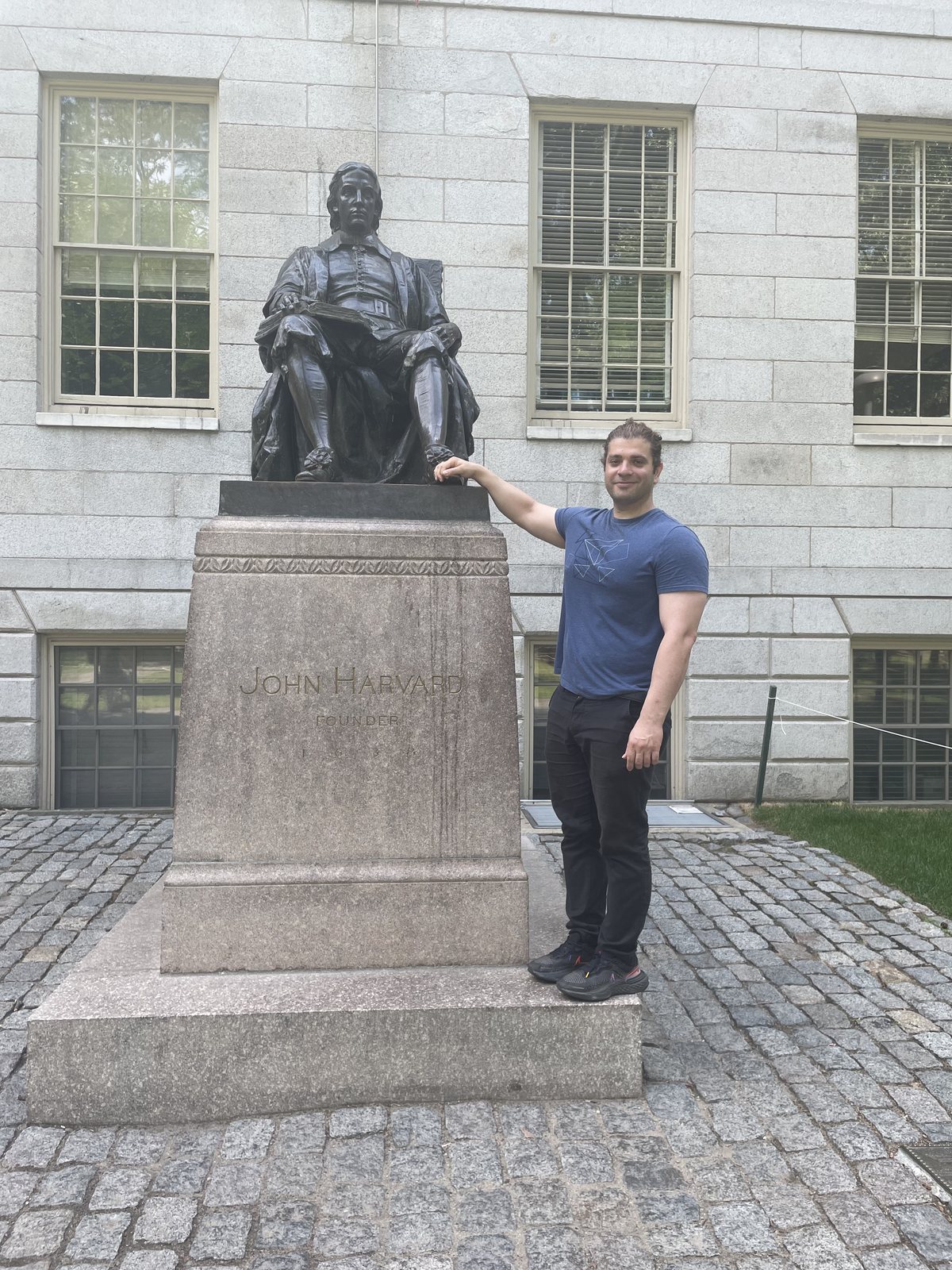
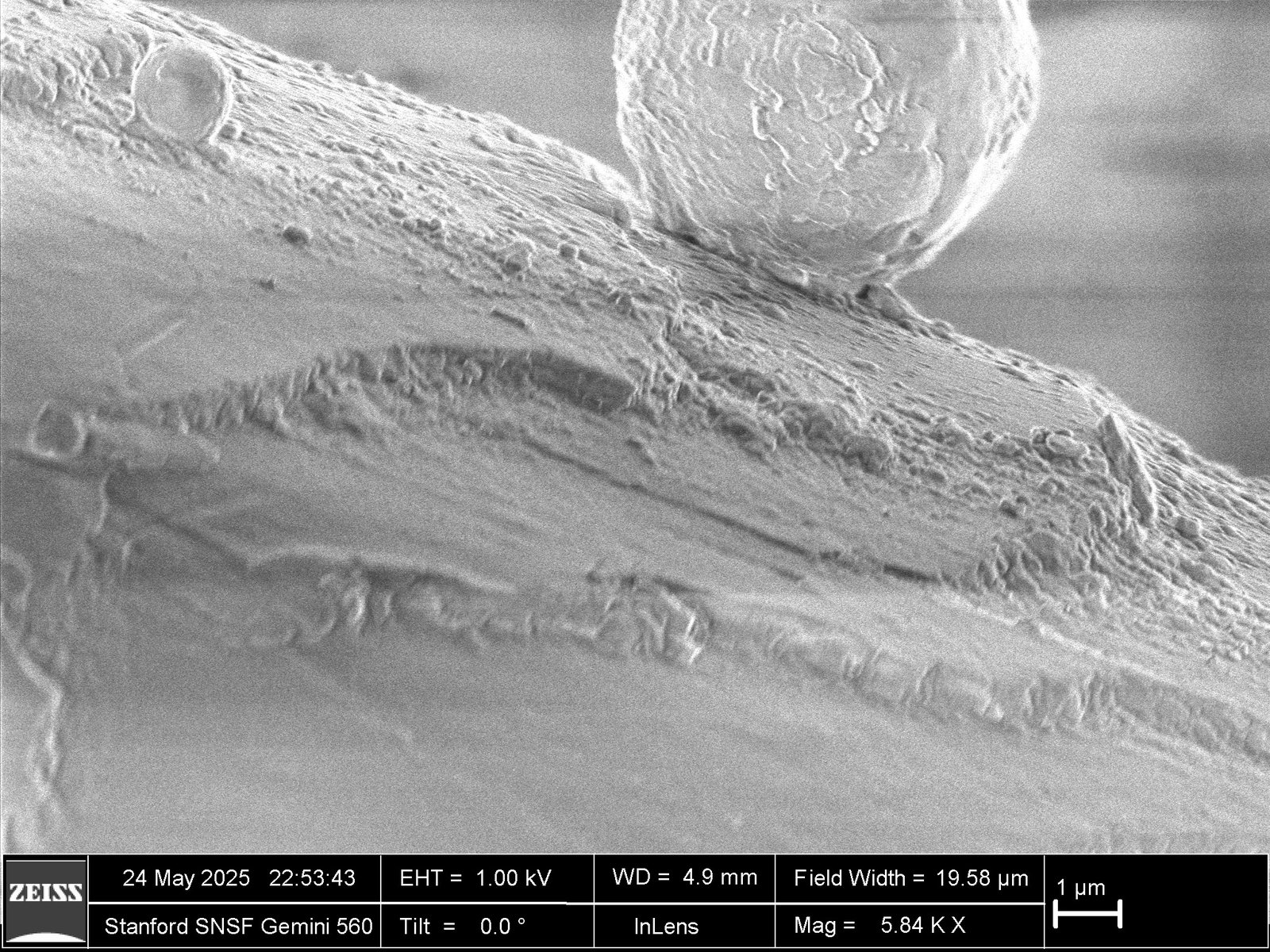
After MIT I worked on electro-optic materials at Harvard and Stanford. These are the materials that turn an electrical signal into a change in light, which is what a modulator does. At Stanford I was a postdoctoral fellow in Amir Safavi-Naeini's group, working on thin-film lithium niobate: ultra-low-loss cavities, tunable on-chip reflectors, and frequency conversion.
Where it started
I grew up in a city with no high school and traveled two hours each day to reach the nearest one. That is a big part of why I want AI to be a tool anyone can use, wherever they are.

Selected publications
- High-power portable terahertz laser systems. Nature Photonics 15, 16-20 (2021).
- Enhanced operating temperature in terahertz quantum cascade lasers based on direct phonon depopulation. Applied Physics Letters 122, 161101 (2023).
- Unidirectional photonic wire laser. Nature Photonics 11, 555-559 (2017).
- Phase-locked photonic wire lasers by π coupling. Nature Photonics 13, 47 (2019).
- A tunable unidirectional source for GUSTO's local oscillator at 4.74 THz. IEEE Transactions on Terahertz Science and Technology 12, 144-150 (2022).
- Roughness-limited performance in ultra-low-loss lithium niobate cavities. Advanced Optical Materials 14, e02355 (2026).
- Low-loss, highly tunable Sagnac loop reflectors and Fabry-Pérot cavities on thin-film lithium niobate. Optics Letters 50, 5173-5176 (2025).
Full list on Google Scholar.
In the press
- MIT RLE (2026): From MIT Research to Piris Labs: Building the Infrastructure Behind the Next Wave of AI
- Science (2020): New lasers that fire terahertz beams could propel medical imaging and contraband detection
- Nature Photonics (2020): Terahertz race heats up
- MIT News (2018): Terahertz laser for sensing and imaging outperforms its predecessors
- MIT News (2017): Tiny terahertz laser could be used for imaging, chemical detection
- U.S. Department of Energy: Tiny tunable terahertz lasers ready to fly in space
- TU Delft (2023): GUSTO arrived on Antarctica
Get in touch
Comments are open to subscribers on every post. If you work on interconnects and want to write a guest post, message me on LinkedIn.